


What is a PET-CT Scan?
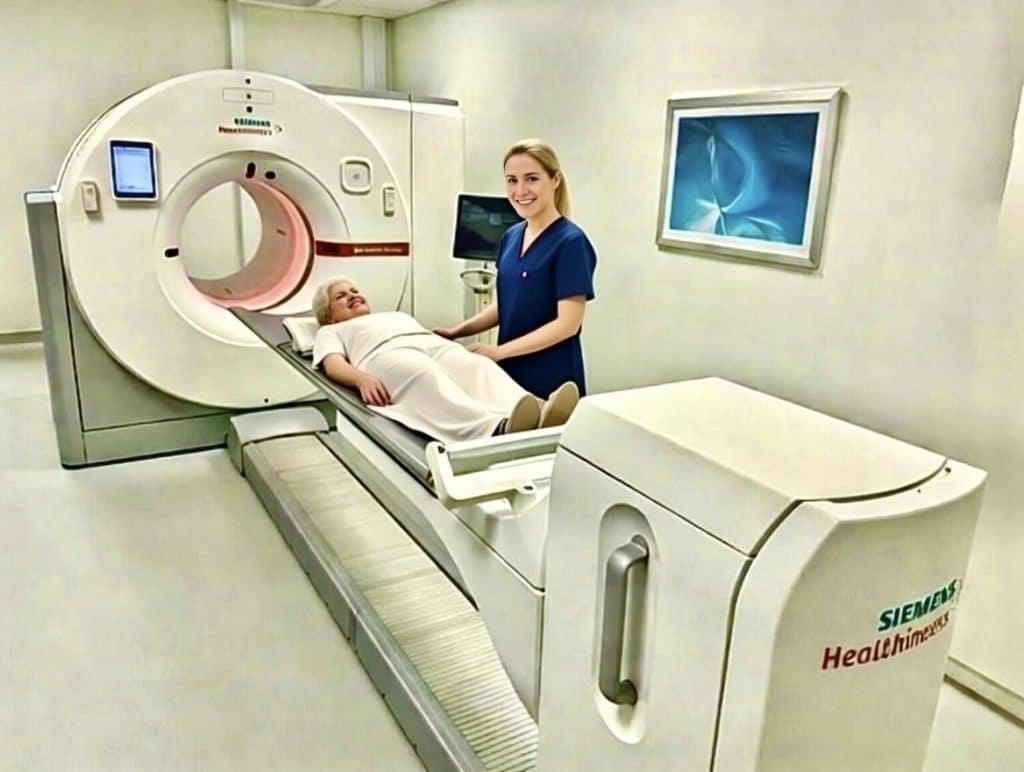
Panorama Radiology Specialists’ state-of-the-art Siemens 128-Slice PET-CT scanner is industry-leading technology, representing the most advanced cancer-detection imaging technology available, delivering exceptional image quality with advanced dose reduction techniques. This ensures exceptionally high-resolution images while minimising radiation exposure. Our PET-CT machine uses sophisticated algorithms and Artificial Intelligence to enhance diagnostic accuracy, allowing for the detection of tiny lesions that may not be visible on standard imaging.
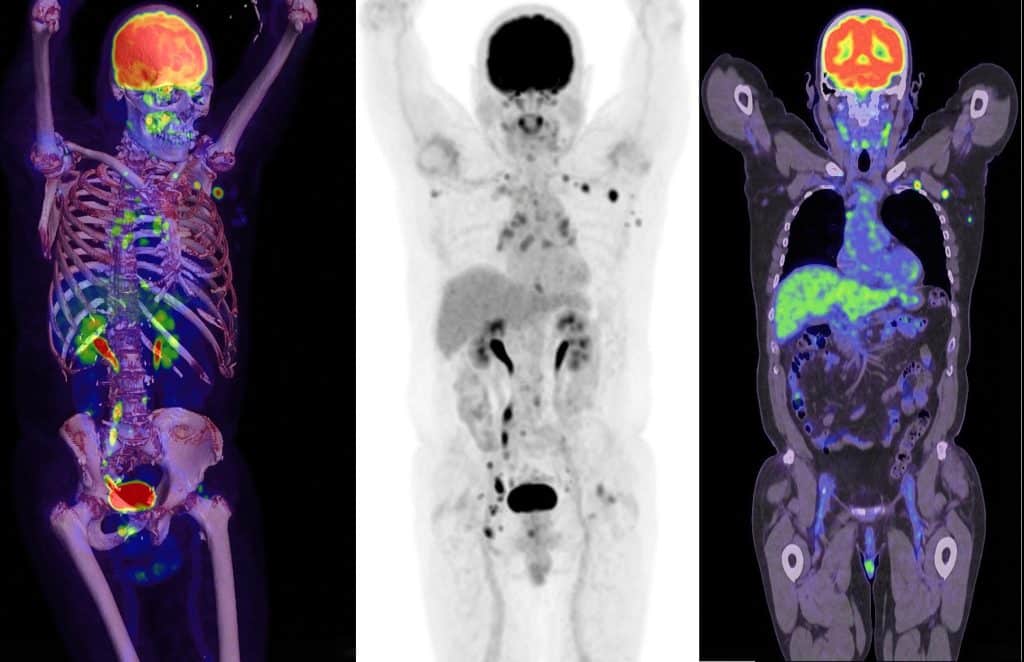
A PET-CT scan is a specialised diagnostic imaging procedure that combines Positron Emission Tomography (PET) and Computed Tomography (CT) to create highly detailed images of your body’s anatomy and metabolic activity.
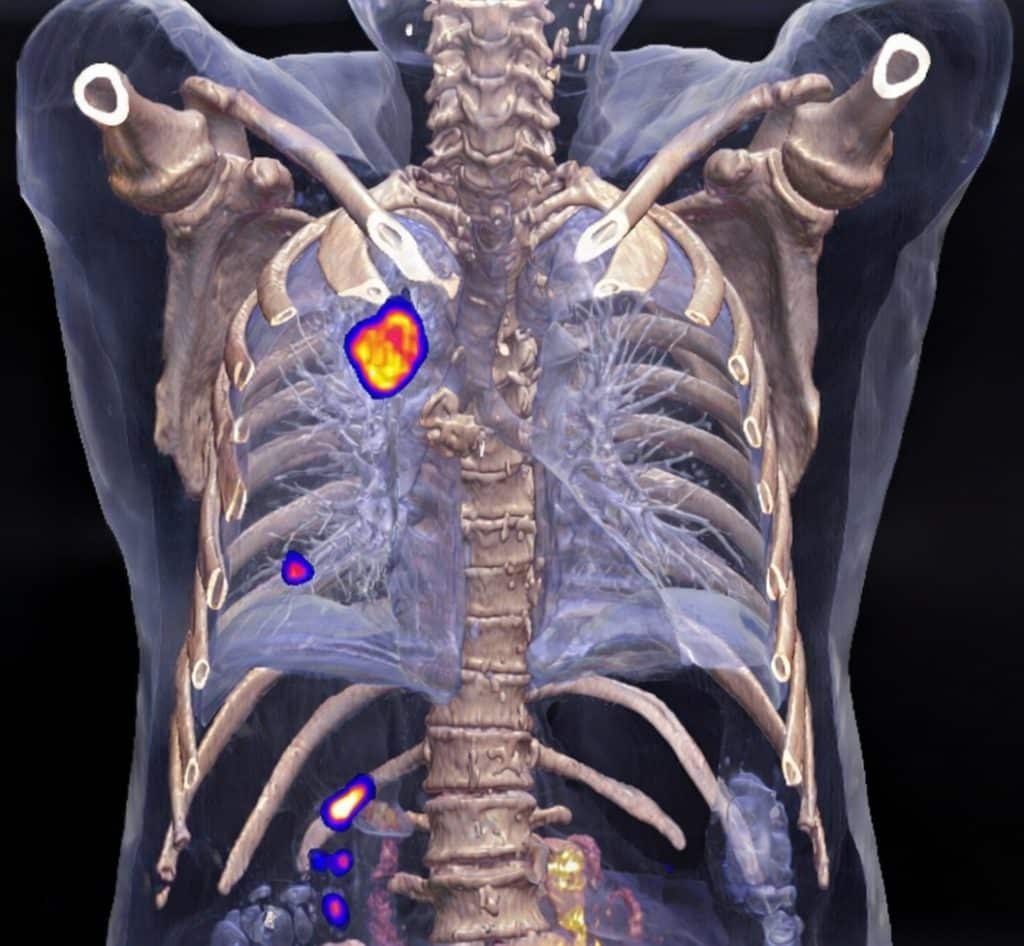
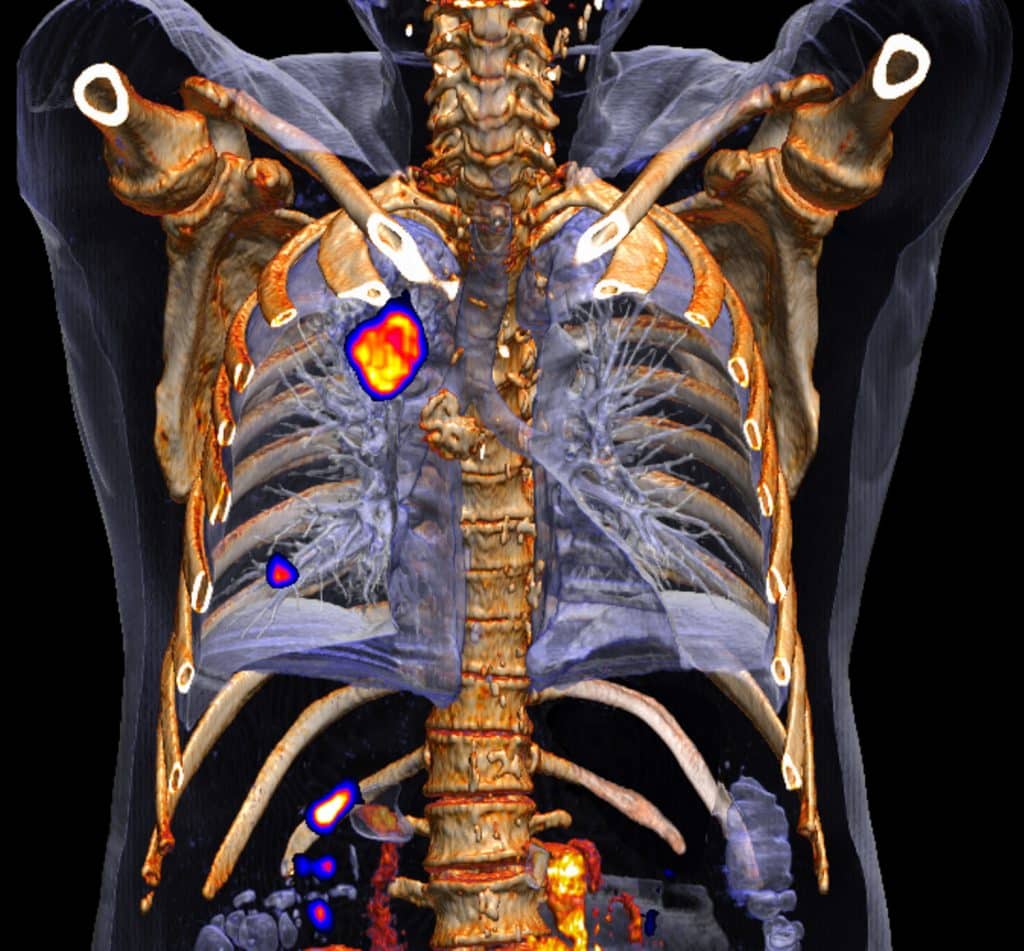
PET uses a small amount of radioactive tracer (injected into a vein) to highlight areas of abnormal cellular activity, such as cancer cells or inflammation, while high resolution CT provides precise anatomical detail using low dose X-rays. Together, PET-CT provides comprehensive high resolution 3D imaging that helps in diagnosing, staging, and monitoring various conditions, particularly in oncology, lung and prostate imaging and neurology.
PET-CT scans in our Gold Coast radiology clinic are performed by our highly trained nuclear medicine technologists who customise the study to optimise results, while keeping radiation doses as low as possible.
PET scans are supervised and reported by our highly experienced Fellowship-trained specialist Nuclear Medicine Radiologist doctors, who have subspecialist training and extensive clinical expertise. The specialist radiologist may consult with your referring doctor to ensure the most suitable protocol is used for your specific clinical needs.
PET-CT Services
- FDG PET-CT for a wide range of clinical indications including assessment of lung and soft tissue lesions, tumour detection, characterization and staging, neurology imaging including assessment of neurodegenerative disorders, and various infectious and inflammatory disorders.
- PSMA PET-CT for Prostate Imaging
Our highly experienced and respected specialist Nuclear Medicine Radiologists provide exceptional specialist insight and reporting.
Radiation Dose
PET-CT scans, like other medical imaging tests, are only performed when the clinical benefits far outweigh any small theoretical risks from the radiation involved. The procedure includes a low-dose CT component and a small dose of radioactive tracer, both contributing to the overall exposure.
We are all exposed to natural background radiation daily (around 2.7 mSv per year), which increases with activities like long-haul flights (e.g., Sydney to London exposes you to about 0.3 mSv). Our advanced PET-CT system reduces radiation doses significantly compared to former generation machines, often by up to 50% or more through optimised protocols and technology.*
Panorama Radiology Specialists is committed to radiation safety, employing the latest low-dose techniques for all our imaging services.
What are the risks of having a PET-CT Scan?
Pregnancy
The radiation from a PET-CT scan has not been shown to cause harm to unborn babies, but it is used cautiously during pregnancy only when absolutely necessary and the benefits outweigh any potential risks.
Please inform our staff if you are pregnant or suspect you might be.
Radiotracer and Contrast
PET-CT involves injecting a radioactive tracer (e.g., FDG or PSMA), which is safe and has been used for decades. The tracer decays quickly and is eliminated from the body. Allergic reactions are extremely rare.
Some scans may also use CT contrast dye (iodine-based) to enhance images. This is decided by the radiologist. Modern contrasts are very safe, with minimal allergy risk, but in rare cases, precautions like prednisone may be used.
Other Considerations
The procedure is generally well-tolerated, but you may need to fast beforehand or avoid certain activities. Diabetics should discuss blood sugar management with our staff.
What Happens During My PET-CT Appointment?
You will complete a questionnaire about your health, allergies, and medical history. Our staff may ask you to change into a gown. For most PET-CT scans, you’ll receive an intravenous injection of the radioactive tracer and rest quietly for around 45-60 minutes while it distributes in your body. No sedation is typically needed.
The scan itself takes about 15-20 minutes, during which you’ll lie still on a table that moves through the scanner. It’s painless, although you may hear humming noises. If CT contrast is required, it will be administered via an IV cannula. The IV line is removed after the scan.
Please inform our staff immediately if you feel any unusual symptoms during or after the procedure. Hydration is encouraged post-scan.
PET-CT Fees
Panorama has a bulk billing policy for all Medicare-eligible PET-CT referrals from specialists.
Panorama also accepts GP referrals, however a gap fee applies—please inquire with our friendly reception team for details.
PET-CT Results
Our specialist Gold Coast-based Nuclear Medicine Radiologists will review your images promptly after the scan. Results and images are electronically sent to your referrer, usually on the same day. Urgent findings are phoned through.
You’ll need to follow up with your referrer to discuss results and next steps.
Our specialist Radiologist doctors are available to discuss scan findings with your doctor and recommend any additional tests or procedures as needed.